
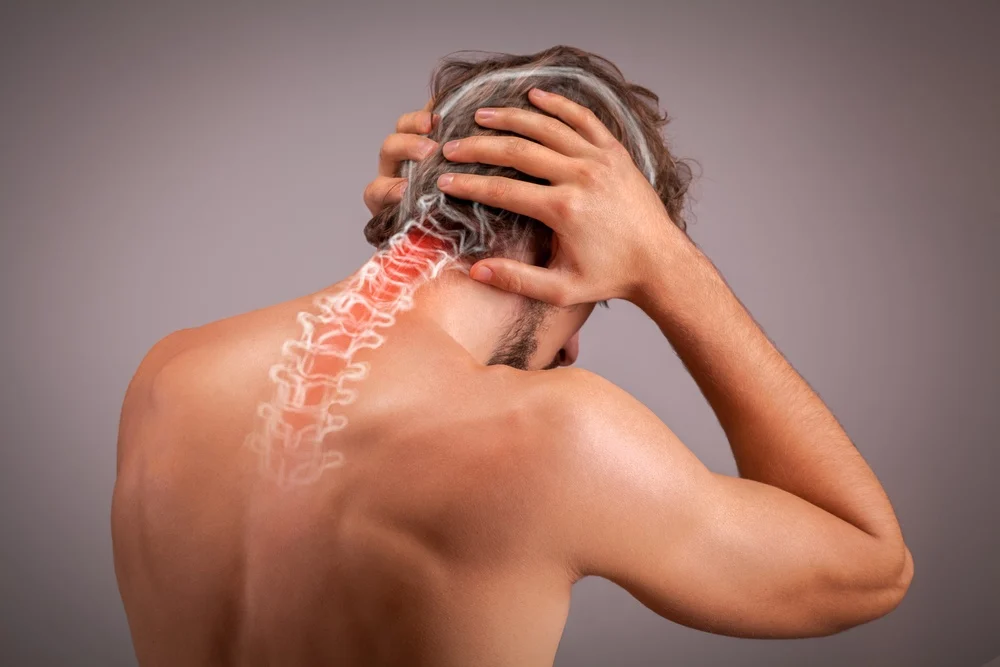
Chronic back and neck pain are among the most persistent physical complaints affecting adults across all age groups. Unlike temporary discomfort caused by short-term strain or fatigue, chronic pain is defined by its duration, often lasting for months or even years. It can interfere with work, sleep, posture, and emotional well-being, gradually becoming part of daily life rather than an occasional issue. Understanding why this pain develops is an important step toward managing it more effectively and recognizing when medical evaluation may be necessary.
The spine is a complex structure composed of vertebrae, discs, nerves, muscles, and connective tissues that work together to support movement and stability. Because it plays such a central role in posture and mobility, even small disruptions in this system can create long-lasting discomfort. Chronic back and neck pain rarely stems from a single cause; instead, it often develops from a combination of physical changes, repetitive stress, and underlying medical conditions. Many spine specialists, including those at Inspired Spine, focus on identifying these underlying factors to better understand the source of persistent pain and spinal dysfunction.
Degenerative Disc Changes
One of the most common contributors to chronic back and neck pain is degeneration of the spinal discs. These discs act as cushions between the vertebrae, absorbing shock and allowing smooth movement. Over time, they naturally lose hydration and elasticity. As they become thinner and less flexible, their ability to protect the vertebrae decreases, which can lead to stiffness and pain.
This degenerative process is not always linked to injury. It frequently occurs as part of aging, although it may begin earlier in individuals who perform physically demanding work or maintain poor posture for long periods. When discs lose height or develop small tears, nearby nerves may become irritated. This irritation can produce persistent discomfort that worsens with activity or prolonged sitting, particularly in the neck and lower back.
Muscle Strain and Soft Tissue Overuse
Chronic pain does not always originate from bones or discs. Muscles and ligaments surrounding the spine can also become a long-term source of discomfort when they are repeatedly strained. Everyday movements such as bending, lifting, or even holding a phone at eye level can gradually overload certain muscle groups. Over time, this repeated stress can lead to inflammation and reduced flexibility.
Poor posture is closely linked to this type of pain. When the head leans forward or the shoulders round inward, the muscles of the neck and upper back must work harder to hold the body upright. This constant tension can result in soreness that never fully resolves. Without adequate rest or corrective movement, the muscles remain in a cycle of strain, contributing to chronic pain rather than short-lived fatigue.
Nerve Compression and Irritation
Nerve-related pain is another significant cause of chronic back and neck discomfort. Spinal nerves travel through narrow openings between vertebrae, and these spaces can become constricted due to disc bulging, joint enlargement, or thickening of ligaments. When a nerve is compressed, pain may radiate outward from the spine into the arms or legs, depending on the location of the problem.
This type of pain often feels different from muscle soreness. It may be described as sharp, burning, or tingling and can be accompanied by numbness or weakness. Because nerves are responsible for transmitting signals throughout the body, their involvement can make pain more persistent and difficult to ignore. Chronic nerve compression can develop slowly, sometimes without a clear moment of injury, making it harder to trace its origin without medical imaging.
Spinal Joint and Facet Joint Problems
The spine contains small joints known as facet joints that allow controlled movement between vertebrae. These joints are lined with cartilage and surrounded by a capsule filled with lubricating fluid. Over time, they can undergo wear similar to other joints in the body. When cartilage thins or joint surfaces become irregular, movement can cause friction and inflammation.
Facet joint issues are often associated with stiffness, especially after periods of inactivity. Pain may increase when twisting or arching the back, movements that place additional stress on these joints. Because facet joints are closely connected to spinal nerves, inflammation in this area can also contribute to nerve irritation, blending joint pain with radiating symptoms that extend into surrounding areas.
Poor Posture and Biomechanical Imbalance
Posture plays a central role in how forces are distributed across the spine. When alignment is balanced, weight is shared evenly among vertebrae, discs, and muscles. When posture is consistently misaligned, certain structures must absorb more pressure than they are designed to handle. Over time, this uneven load can cause chronic strain and discomfort.
Biomechanical imbalance may result from differences in leg length, uneven muscle strength, or habitual movement patterns. Sitting for long hours, especially without back support, can place excessive pressure on the lower spine. Similarly, holding the head forward while working on screens can shift stress to the cervical spine. These subtle habits accumulate over months or years, gradually reshaping how the spine responds to movement and rest.
Inflammatory and Autoimmune Conditions
Some cases of chronic back and neck pain are linked to systemic conditions rather than mechanical stress alone. Inflammatory disorders can affect the joints and connective tissues of the spine, leading to stiffness and pain that may be worse in the morning or after long periods of inactivity. Unlike mechanical pain, this type often improves with gentle movement as circulation increases.
Autoimmune conditions may cause the immune system to attack joint structures, resulting in progressive changes to spinal mobility. Over time, inflammation can lead to structural alterations that limit flexibility and create ongoing discomfort. Because these conditions involve the body’s internal regulatory systems, their effects on the spine are often persistent and require long-term management rather than short-term treatment.
Previous Injury and Structural Damage
An earlier injury to the spine can set the stage for chronic pain years later. Trauma such as a fall, car accident, or sports-related impact may damage discs, joints, or supporting tissues. Even when initial healing occurs, subtle structural changes can remain. These changes may alter how weight is distributed along the spine, increasing the likelihood of long-term discomfort.
Scar tissue formation after injury can also contribute to stiffness and restricted movement. In some cases, the body compensates for injured areas by relying more heavily on surrounding muscles, creating imbalances that persist over time. The connection between past injury and current pain is not always obvious, but it is an important factor in understanding why some individuals develop chronic symptoms while others do not.
Psychological Stress and Pain Perception
Chronic back and neck pain are not influenced solely by physical changes. Psychological stress plays a meaningful role in how pain is perceived and maintained. When the body is under constant emotional strain, muscle tension often increases, particularly in the neck and shoulders. This tension can become habitual, leading to soreness that feels physical even though its origin is partly stress-related.
Stress can also heighten the nervous system’s sensitivity to pain signals. Over time, the brain may interpret mild discomfort as more severe, reinforcing a cycle in which pain feels more intense and more persistent. While stress does not create structural damage in the spine, it can amplify existing issues and slow recovery by maintaining muscle tightness and altering how the body processes pain.
Conclusion
Chronic back and neck pain usually develops through a combination of physical, structural, and neurological factors rather than a single cause. Degenerative changes, muscle strain, nerve compression, joint wear, posture problems, inflammation, previous injuries, and psychological stress all interact to shape how pain appears and persists. Each individual’s experience is unique, reflecting the complexity of the spine and the demands placed upon it over time.
Understanding these common causes provides insight into why chronic pain can be difficult to resolve and why it often requires careful evaluation. The spine’s role in movement and support makes it vulnerable to long-term stress, but it also means that small changes can have widespread effects. Recognizing the underlying contributors to chronic discomfort is a key step toward informed care and a clearer path forward.